


You want RO-level contaminant removal, but your current water tastes flat and measures slightly acidic. Now the choice is whether to buy an alkaline RO system, add a remineralization RO stage, use mineral drops, or leave the water alone. The right decision depends on whether you want better taste, higher pH, specific minerals, low TDS purity, or a lower-maintenance setup—not whether “alkaline” sounds healthier.
Who Should Choose Alkaline RO vs Remineralization RO?
This decision turns on what you are trying to fix. If the problem is contaminants, start with RO. If the problem is flat taste, add minerals. If the problem is that you specifically want high-pH water, then alkaline RO becomes relevant.
Comparison Snapshot
The labels “alkaline RO” and “remineralization RO” can overlap because some systems use mineral media that both increase pH and add minerals. The better choice depends on the target result: desired pH level, mineral media used, expected TDS change, and whether the RO system itself is properly certified for contaminant reduction.
Choose remineralization RO when you want RO purification plus better taste, mild pH correction, and modest minerals such as calcium or magnesium. This is the safer fit for most daily drinking faucets because it improves plain RO without pushing the water far from neutral.
Choose alkaline RO if you specifically want higher-pH water, often around pH 8.5–9.5, and you accept stronger mineral taste, higher TDS, more cartridge monitoring, and more marketing-driven claims.
Choose plain RO when low TDS, simplicity, and contaminant reduction matter more than taste.
Avoid choosing an alkaline-only filter when your water source has known concerns such as lead, nitrates, PFAS, unknown well contaminants, or high dissolved solids. Instead, choose a system with testing data or documentation that supports reduction of the specific contaminants you want to address. Water quality management starts with reducing potential contaminants before adjusting taste or mineral content. Drinking water safety resources emphasize the importance of addressing water quality risks at the source, which is why RO with optional remineralization is often considered a safer baseline when water quality is uncertain.

Which RO System Is Better for Daily Drinking?
For daily drinking, remineralization RO usually wins because it solves the most common complaint without creating a new one. Plain RO can taste clean but thin. Many people describe it as flat because reverse osmosis removes dissolved minerals along with many unwanted contaminants. A remineralization cartridge adds a small amount of minerals back, often bringing the water closer to pH 7.2–8.0 with TDS roughly in the 40–100 ppm range.
That range matters. It gives the water enough body to taste normal, but it usually does not feel heavy, chalky, or slippery. This is why remineralization RO is often the better “family faucet” choice.
Alkaline RO makes sense only when the household likes a more mineral-heavy, higher-pH taste. If one person wants pH 9 water but everyone else wants water that tastes close to bottled spring water, alkaline RO can become the wrong choice. The gain is higher pH. The sacrifice is simpler water chemistry.
With remineralization RO, you give up ultra-low TDS purity. With alkaline RO, you give up more control and may raise scale risk in kettles, coffee gear, and fixtures.
Low TDS Purists
Plain RO is still the right choice for some buyers. If you already like very low-TDS water, use RO water for humidifiers or appliances, or want the fewest cartridges possible, adding minerals may be unnecessary.
This is where some buyers get talked into upgrades they do not need. An alkaline cartridge can raise pH and TDS, but if your real goal is maximum purity, that is moving in the wrong direction. The RO membrane did its job by reducing dissolved solids. Adding a high-pH stage after it reverses part of that low-TDS result.
Remineralization becomes worth considering only when the water is so flat that your family avoids drinking it, or when the RO water pH is low enough to bother you from a taste or corrosion-balance standpoint. If you are happy with plain RO, do not upgrade just because alkaline water is marketed as healthier.
People who regret adding alkaline stages often expected a health transformation. What they usually notice is simpler: higher pH, more mineral taste, higher TDS, and another cartridge to replace.
Alkaline Preference Buyers
Alkaline RO is not automatically a bad choice. It is just a narrower choice. It fits buyers who knowingly want higher-pH water after reverse osmosis and treat that as a taste or lifestyle preference.
The alkaline RO vs remineralization RO difference is mainly intensity and intent. Remineralization RO aims to restore taste, mouthfeel, and mild buffering. Alkaline RO aims to raise pH more strongly. Some alkaline cartridges add minerals too, but the main product promise is often pH elevation.
If you dislike chalky, slippery, or mineral-heavy water, avoid high-alkaline cartridges. They may look appealing on a spec sheet, but the taste can become the reason people stop using the faucet.
The alkaline cartridge vs remineralization cartridge for RO system decision comes down to this: choose the alkaline cartridge only when high pH is the point. Choose remineralization when drinkability is the point.

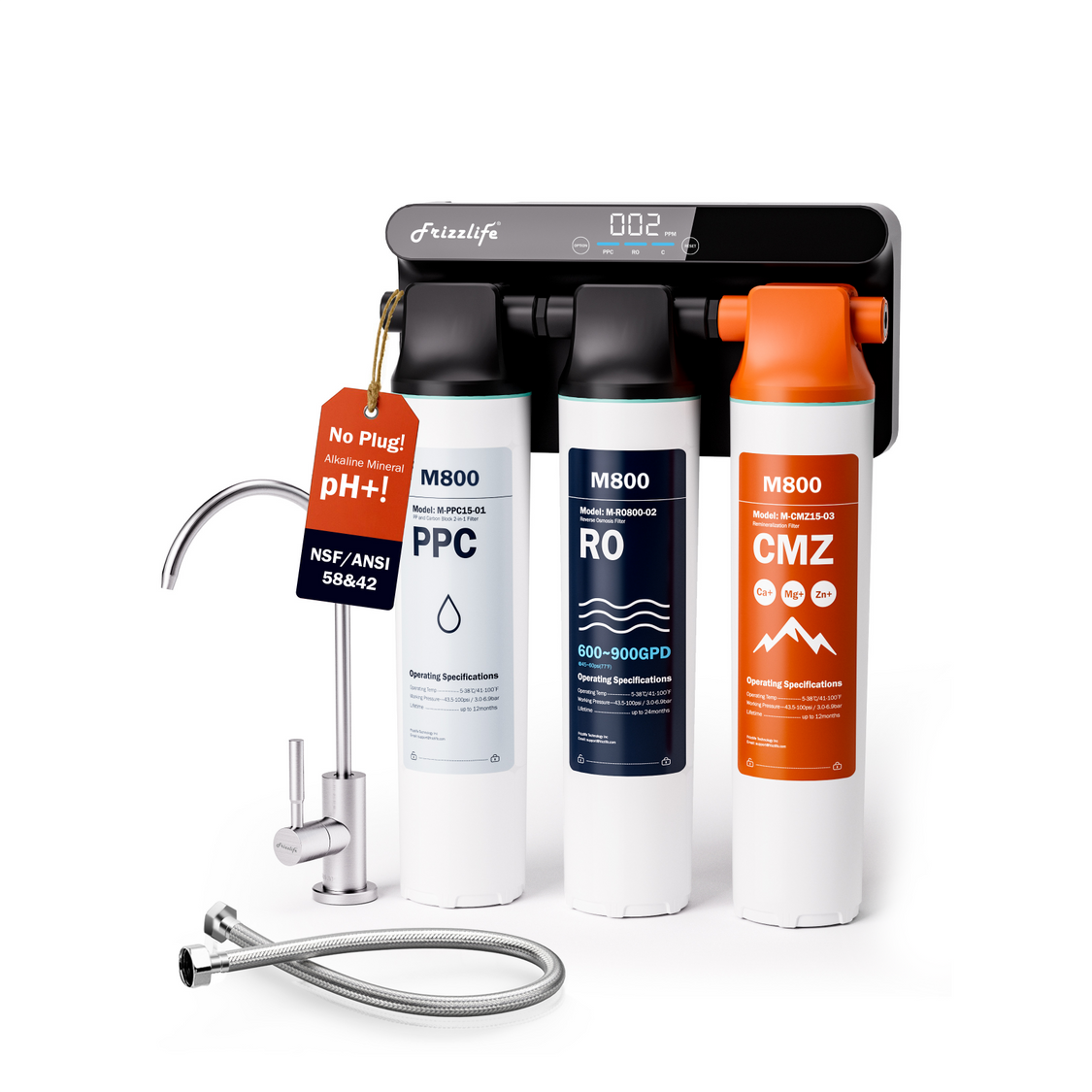
Alkaline RO vs Remineralization RO: Purity, Taste, and pH Differences
This is the section where most buyers should slow down. The trade-off is not “healthy vs unhealthy.” It is purity, taste, pH, TDS, and control. Each option changes those in a different way.
Flat Taste Problem
RO water often tastes flat because reverse osmosis removes dissolved minerals along with contaminants. That is not a defect. It is part of how RO works. Minerals such as calcium and magnesium help water taste fuller. When they are removed, the water can feel thin or dull.
If your main complaint is flat taste, remineralization RO is the cleaner fix. It adds back enough minerals to improve mouthfeel without making pH the whole goal. A remineralization filter for better taste is usually more practical than buying a full alkaline RO setup.
Alkaline RO can also improve taste, but it may overshoot the problem. If all you wanted was water that tasted less empty, a high-pH cartridge may give you stronger mineral flavor than you wanted.
Plain RO remains fine if you like the taste. Do not add minerals just because someone says RO water is “too pure.” The real test is whether people in your home will drink it.
pH Before After
Plain RO water may test slightly acidic, sometimes around pH 5.5–6.8, because it has very low buffering minerals. This does not automatically mean the water is unsafe. Low-mineral RO water can absorb carbon dioxide from air, which may lower the measured pH without indicating a water quality problem. High-pH treatment should be viewed as a taste or preference choice, not a required safety correction.
RO water pH before and after remineralization usually changes in a moderate way. A remineralization cartridge may raise pH toward neutral or mildly alkaline by adding calcium, magnesium, calcite, or similar media. Many households prefer the taste when the water lands near pH 7.2–8.0.
So, does remineralization make RO water alkaline? Sometimes mildly, yes. But it depends on the cartridge, contact time, source water, and flow rate. It should not be assumed to produce the same pH as a dedicated alkaline RO stage.
Alkaline RO aims for a bigger pH jump. That can be useful if you want water around pH 8.5–9.5. It becomes the wrong choice if pH above 9 creates a taste you dislike, changes coffee and tea flavor, or increases scaling in appliances.
Calcite Versus Alkaline Media
The alkaline filter vs calcite remineralization filter choice is really a control choice. Calcite is usually the safer moderate option. It dissolves calcium carbonate into low-mineral water, which can raise pH, add hardness, and improve taste in a predictable way.
A calcite remineralization filter is best when you want a moderate increase in pH and minerals. It does not try to make the water extremely alkaline. That makes it easier to live with for daily drinking, cooking, coffee, and tea.
An alkaline cartridge may use blends of mineral media intended to raise pH more aggressively. Some add calcium, magnesium, potassium, or other trace minerals. The issue is that output can be less predictable. The first weeks may test higher than later months. Flow rate and water temperature can also affect the result.
Over-alkalization is the regret point. Water can taste chalky, leave more scale, and feel less clean even though the TDS number is higher because of added minerals. If you want control, choose calcite-style remineralization. If you want high pH as the main result, choose alkaline media and accept more monitoring.

Is This Overkill
Alkaline RO is overkill if your only goal is to stop plain RO from tasting flat. In that case, you do not need a strong pH push. You need minerals.
Remineralization RO is usually enough when the target is better taste, mild alkalinity, and everyday drinkability. It fixes the common complaint without turning your drinking water into a high-pH project.
Plain RO is still valid when taste is acceptable and low TDS is the point of the system. This is common for people who test their water often or use RO water for more than drinking.
The simple choice is this: if you want minerals, use remineralization. If you want high alkalinity, use alkaline RO. If you want purity and simplicity, leave RO alone.
Does Alkaline RO Add Minerals and Increase TDS?
Minerals and pH can improve taste, but they should not distract from the main job of RO: contaminant reduction. The wrong choice is usually caused by confusing “higher pH” with “better filtration.”
Essential Minerals Added
What minerals are added back after reverse osmosis depends on the cartridge. Remineralization RO may add calcium, magnesium, potassium, or trace minerals. The role of minerals such as calcium and magnesium in drinking water is mainly related to mineral content and taste rather than replacing dietary sources. Some cartridges focus mostly on calcite. Others use blends that include magnesium oxide or other mineral media.
Does alkaline RO add minerals back to water? It depends on the cartridge design. Some pH-raising cartridges mainly focus on increasing alkalinity, while others disclose added calcium, magnesium, potassium, or other mineral output. The difference matters because not every alkaline stage provides the same type or amount of minerals.
If you care about which minerals are added back, choose targeted remineralization and read the cartridge details. Do not assume every alkaline stage adds the same balance of calcium and magnesium.
Also keep expectations realistic. Drinking water can contribute minerals, but it should not be treated as the main source of essential nutrients. Food remains the primary source for most households.
TDS Increase Limits
Does alkaline RO raise TDS in drinking water? Yes. So does remineralization. That is expected. The RO membrane lowers dissolved solids, then the post-filter adds some back.
A TDS rise after a mineral stage is not proof that the RO membrane failed. The better question is whether the final TDS matches your goal. A range around 40–100 ppm is often discussed as a taste-oriented range for remineralized RO because it can provide more body without making the water feel heavy. It is not a universal purity target or a required safety threshold.
High-alkaline RO can push TDS higher, depending on media and water contact time. That may be fine if you enjoy the taste, but it can increase scale risk. Avoid pushing final TDS above 150–200 ppm unless you have a clear reason and are willing to manage hardness.
Do not stack mineral drops, alkaline pitchers, and inline cartridges without measuring pH and TDS. More mineral treatment does not always mean better water. It often means unpredictable water.

Health Claim Reality
Is remineralized RO water healthy to drink? For most households, yes, when the RO system removes contaminants effectively and the post-filter is replaced on schedule. Remineralization improves taste and adds some buffering minerals. It does not need dramatic health claims to be useful.
Is alkaline RO water better than remineralized RO water? Not by default. Higher pH should be treated as a preference, not a proven medical upgrade. If a product costs more mainly because of alkaline wellness claims, judge it by normal filtration standards: contaminant reduction, certifications, cartridge life, replacement cost, and the taste your household will actually drink.
The safer buying logic is RO first, then taste correction if needed. If contaminant removal matters, an alkaline-only product is not enough. If taste matters, remineralization may be enough. If high pH matters to you personally, alkaline RO can fit, but it should not replace evidence-based filtration.
Is It Worth It
Remineralization is worth it when plain RO water tastes flat, your family avoids the faucet, or the water feels too sharp because of low buffering minerals. It is also worth it when you want mild pH correction without turning every glass into high-alkaline water.
Alkaline RO is worth it only if you specifically value higher pH and like the taste in real use. If you are buying it because the word “alkaline” sounds healthier, the upgrade may disappoint you.
It is not worth upgrading at all if you already like your RO water and want the lowest cost, lowest TDS, and fewest cartridges. In that case, plain RO is not a compromise. It is the right fit for your priorities.
Cost And Ownership Differences
The cost comparison is not just the price of the first system. It is the cost of extra cartridges, testing, space, and possible regret if the water tastes different than expected.
Upfront System Cost
Standard RO is usually the lowest upfront option because it has fewer stages. If your budget is tight and you care most about contaminant reduction, this is the cleanest starting point. If flat taste is your only complaint, start with standard RO and consider adding an optional remineralization cartridge before replacing the entire system with a full alkaline RO setup.
Remineralization RO usually costs more than basic RO because it adds a post-filter or mineral stage. The extra cost is easier to justify when taste is the reason your household might avoid using plain RO.
Alkaline RO may cost more because of extra stages, high-pH branding, and wellness positioning. That premium is only worth paying if high pH is a real preference, not a vague hope.
Mineral drops are cheaper upfront, but they shift the work to you. They make sense when you want control, not when you want a simple family faucet.
Filter Replacement Cost
Remineralization cartridges add recurring replacement cost. For many systems, this is a straightforward annual or semiannual add-on, depending on usage and cartridge design.
Alkaline cartridges may cost more or may need closer monitoring because pH output can drop as the media is depleted. A cartridge can still let water pass through while no longer producing the pH result you expected.
If long-term ownership cost matters more than high-pH output, choose simpler remineralization. It gives the taste upgrade with fewer surprises.
The common regret is underestimating that better-tasting RO water means another consumable part. If you do not want another cartridge, stay with plain RO or use drops only when needed.
Hidden Cost Risks
Hidden costs include pH strips, TDS meters, replacement cartridges, descaling supplies, and wasted cartridges if the taste is not what you expected.
Alkaline RO has higher regret risk when the buyer pays for health promises but only notices higher pH and stronger mineral taste. Remineralization RO has lower regret risk when expectations are framed around taste, pH balance, and mouthfeel.
Scale is another hidden cost. The more minerals and alkalinity you add, the more you may need to descale kettles or coffee gear. This does not mean remineralization is bad. It means aggressive alkaline treatment should be chosen with eyes open.
Installation, Space, and Daily Use Differences
The best system is not always the most advanced one. It is the one your household will use without extra work.
Existing RO Upgrade
If you already own an under-sink RO system, your options are to leave it unchanged, add an inline remineralization cartridge, use mineral drops, or replace the system with alkaline RO. Leaving RO unchanged keeps the lowest maintenance and TDS, while remineralization adds taste improvement with less complexity than a full system replacement. Mineral drops offer more control, and alkaline RO fits buyers who specifically want higher pH.
Choose mineral drops when you want precise control or only want to remineralize some water. This is useful for coffee recipes, brewing, or people who want different mineral profiles. The downside is daily effort. Someone has to dose the water correctly.
Choose a full alkaline RO replacement only if your current system cannot accept add-on cartridges or if you want an integrated high-pH setup. Replacing the whole unit just to fix flat taste is often unnecessary.
Small Kitchen Fit
Remineralization cartridges usually add less complexity than replacing the entire system with a larger alkaline RO unit. In a small under-sink cabinet, that matters.
Alkaline RO systems may need extra stages and more room for cartridge changes. If your cabinet is already crowded with a disposal, cleaning supplies, or a storage tank, a bigger system can become annoying every time filters need service.
Mineral drops take no cabinet space, but they add daily effort. For most families, that trade-off is worse than one small inline cartridge.
If space is tight, first check whether your current RO can accept a compact post-filter. Do not buy a larger alkaline system unless high pH is worth the added bulk.
Coffee And Tea Use
Coffee and tea expose the difference between controlled remineralization and high-alkaline water. Plain RO can taste dull for brewing because it lacks minerals that help extraction. But too much alkalinity can also flatten flavor and increase scale.
Choose controlled remineralization if you care about coffee, espresso, tea, or brewing consistency. A moderate calcium-magnesium or calcite-style cartridge can make water more useful without overdoing pH.
Avoid high-alkaline RO for espresso machines or kettles unless you monitor hardness and descale regularly. High pH and higher mineral load can create scale faster, especially with heat.
Coffee enthusiasts may prefer mineral drops because they can build a specific recipe. Families usually prefer an inline remineralization cartridge because it is easier.

Family Faucet Convenience
Inline remineralization RO is better when the household wants one faucet that tastes good without manual dosing. It works in the background and keeps the decision simple.
Mineral drops are better for enthusiasts who want separate profiles for drinking, coffee, or brewing. They are not ideal when children, guests, or busy family members need simple water access.
Alkaline RO is better only when everyone likes the higher-pH taste. If half the household finds it chalky or slippery, the “upgrade” becomes a reason people buy bottled water again.
For offices and shared spaces, mild remineralization is usually safer than strong alkalinity because it pleases more people.
Maintenance Risks And Scaling
Maintenance is where alkaline RO often loses buyers who liked the idea at first. More pH and more minerals mean more to monitor.
Scaling And Hardness
Remineralization RO adds some hardness, but moderate calcite or calcium-magnesium stages usually keep scaling manageable. You may see light mineral buildup over time, but it is often easy to control.
Alkaline RO can raise pH and mineral load more aggressively. That can increase scale risk in kettles, espresso machines, coffee makers, ice machines, and some fixtures. These scale-sensitive uses require more caution because aggressive alkaline RO should be avoided unless you test hardness and TDS levels. The issue is not just TDS. Higher pH can make mineral deposits more likely under heat.
Avoid pushing final TDS above 150–200 ppm unless you have a specific reason. If your home already has hard water problems, you should be more cautious with high-alkaline output.
The practical rule: moderate minerals improve taste. Too many minerals create maintenance.
Cartridge Output Drift
Remineralization and alkaline cartridges do not produce the same pH forever. Their output changes as media dissolves or becomes depleted.
Remineralization is easier to live with because the target is moderate. If the pH moves slightly, the water may still taste fine. Alkaline RO has a narrower promise. If you bought it for pH 9 water, you need to test pH and TDS to know whether it is still performing.
Buyers often assume alkaline output stays constant until the filter date expires. It may not. Flow rate, water usage, and cartridge age all affect output.
If you do not want to test water, avoid making high pH the main reason for purchase.
Corrosion Balance
Plain RO can be low in buffering minerals. That may matter if water contacts metal tanks, copper plumbing, or certain storage components. Low-mineral water is not automatically unsafe, but it can feel sharper and may be less balanced.
Remineralization is better when you want to reduce acidic bite and improve corrosion balance without extreme alkalinity. It adds buffering minerals in a moderate way.
Alkaline RO may overshoot the practical need if the problem is simply low pH after RO. If the goal is “less acidic,” you do not necessarily need pH 9 water. You may only need neutral or mildly alkaline water.
Regret Points By Use Case
Most regrets come from buying for the wrong reason. The system may work as designed, but it solves a problem the buyer did not truly have.
Long Term Regret Risks
Buyers regret alkaline RO when they expected major health benefits but only notice higher pH, higher TDS, more mineral taste, and added maintenance.
Buyers regret plain RO when family members dislike the flat taste and stop using the faucet. In that case, the system may purify well but fail in daily use.
Buyers regret remineralization less often when they understand what it is for: taste, mild pH balance, and better mouthfeel. It is not a medical upgrade, and it is not the same as keeping ultra-low-TDS water.
The best way to avoid regret is to name the problem first: safety, taste, pH, TDS, cost, space, or control.
Alkaline Only Mistake
Avoid alkaline-only pitchers or filters when contaminant removal is the real goal. They may improve taste or pH, but they are not a substitute for RO when you are worried about dissolved contaminants.
Choose RO plus remineralization when water safety and taste both matter. That sequence matters: purify first, adjust taste second.
Alkaline-only products make sense only if your water is already proven safe and you only want pH or flavor adjustment. If you have unknown well water, lead risk, nitrates, PFAS concerns, or high TDS, choosing alkalinity instead of purification can leave the real problem untreated.
Drops Versus Cartridges
Choose mineral drops when you want precise dosing, coffee recipes, or different mineral profiles for different uses. They are best for people who enjoy testing and adjusting water.
Choose an inline remineralization cartridge when convenience matters more than precision. This is the better fit for most households because every glass from the RO faucet tastes improved without extra steps.
Avoid combining drops, alkaline pitchers, and RO cartridges unless you test the final water. Stacking methods can raise pH and TDS beyond what you intended.
Drops give control. Cartridges give convenience. Alkaline cartridges give higher pH, but less predictability.
Final Buying Direction
For most households, the practical direction is to start with RO for contaminant reduction, then add only the level of mineral correction you truly want. If taste is the issue, a remineralization cartridge is usually the cleaner fix. If high pH is the lifestyle preference, alkaline RO can make sense, but it brings more taste change, more monitoring, and more scale risk. If low TDS is the goal, plain RO remains the simplest choice.
Before You Choose
- If your water quality is unknown, eliminate alkaline-only filters.
- If your family dislikes flat RO water, eliminate plain RO as the only drinking setup.
- If you want ultra-low TDS, eliminate alkaline RO and remineralization stages.
- If you dislike chalky or mineral-heavy taste, avoid high-alkaline cartridges.
- If you use espresso machines or kettles daily, avoid aggressive alkalinity unless you test hardness.
- If you will not replace extra cartridges, avoid add-on mineral stages.
- If you want exact mineral control, choose drops instead of inline cartridges.
FAQs
Does remineralization make RO water alkaline?
It can make RO water mildly alkaline, but not always in the same way as an alkaline RO cartridge. Remineralization usually raises pH toward neutral or slightly alkaline by adding minerals such as calcium or magnesium. Alkaline RO is meant to raise pH more strongly.
Why not choose alkaline RO if higher pH sounds healthier?
Because higher pH is not the same as better contaminant removal. RO does the purification work. Alkaline stages mainly adjust pH and mineral taste. If you pay extra for alkaline claims, make sure you also like the taste and accept the added maintenance.
Is remineralized RO water healthy to drink?
Yes, remineralized RO water can be a suitable everyday drinking option for households that prefer a softer taste and some added mineral content. The main benefit is improving the drinking experience after RO filtration, not creating a special health effect. It works best when you choose a system that fits your water quality, taste preference, and maintenance habits.
Do alkaline and remineralization cartridges raise TDS?
Yes, both can raise TDS after the RO stage, but the amount depends on the type of mineral media and how much water passes through the cartridge. A small increase is usually expected when the goal is improving taste or adding mineral balance. If your priority is maintaining the lowest possible TDS, a mineral stage may not be necessary.
Are mineral drops better than an RO remineralization filter?
Drops are better for precision, coffee recipes, and custom mineral profiles. An inline remineralization filter is better for convenience because it treats every glass automatically. Most families prefer the cartridge. Enthusiasts often prefer drops.
References